An Overview of why meat markets edwardsville il continues to be a trusted local choice.
All Concerning Meat Markets: Recognizing Their Function in Supporting Local Farmers
Meat markets serve a crucial feature in local economies by linking the gap between consumers and farmers. They use a direct sales network that improves the quality and quality of meat products. Past benefit, these markets play a considerable function in advertising sustainable agriculture and sustaining the resources of local farmers. Nevertheless, the effects of this partnership prolong further than one could anticipate, questioning regarding sourcing techniques and consumer options.
The Value of Meat Markets in Local Economic Climates
Although often neglected, meat markets play a vital duty in strengthening local economies by supporting farmers and producing tasks. These establishments serve as crucial intermediaries, supplying a platform for neighborhood manufacturers to offer their items straight to customers. By buying in your area sourced meat, consumers add to the sustainability of nearby farms, guaranteeing their feasibility and promoting farming diversity.
In addition, meat markets develop employment possibility, ranging from butchers and sales team to monitoring and logistics functions. This job development boosts the regional economic situation, promoting a feeling of area as homeowners engage with their area companies.
On top of that, meat markets frequently bring in customers who look for high-quality, fresh items, which can cause increased foot traffic and sales for surrounding organizations. In general, the visibility of meat markets can significantly enhance neighborhood economic wellness, strengthening links in between agriculture and community health while supporting the source of incomes of farmers.

Attaching Customers and farmers: Just how Meat Markets Operate
Meat markets function as necessary centers that connect local farmers directly with customers, helping with a structured supply chain that benefits both events. By sourcing products from nearby ranches, these markets guarantee that customers obtain fresh, high-grade meat while supporting local agriculture. The procedure of meat markets entails establishing relationships with farmers, typically enabling them to showcase their products and share their farming methods.
In turn, customers access to a diverse choice of meats that show regional flavors and choices. Transparency is an essential aspect of these markets, as consumers are often offered with information about the sourcing and managing of the meat. This direct connection cultivates trust and commitment between consumers and farmers, enhancing community connections. Additionally, meat markets often take part in promotional tasks, such as farm-to-table occasions, which additionally improve the consumer's experience and understanding of regional farming methods.
Promoting Sustainable Agriculture Practices
Advertising sustainable farming methods is crucial for the future of food production and ecological health. By concentrating on moral farming methods, encouraging biodiversity, and promoting for neighborhood and seasonal sourcing, the agricultural sector can significantly minimize its eco-friendly footprint. These techniques not just sustain the ecological community however also cultivate a healthier connection between farmers and consumers.
Moral Farming Techniques
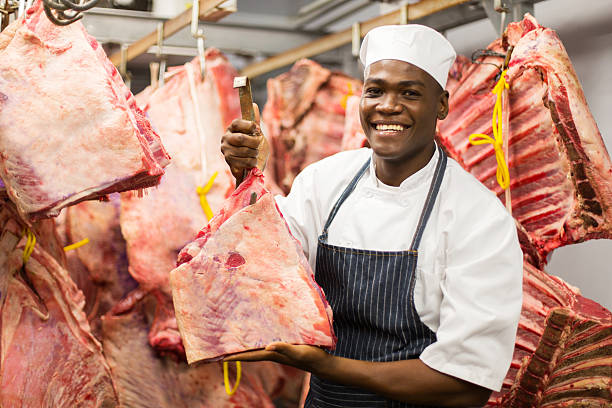
A growing variety of farmers are adopting honest farming methods to boost sustainability and decrease environmental influence. These methods concentrate on responsible land monitoring, minimizing making use of chemical fertilizers and chemicals, and embracing organic techniques. Methods such as crop rotation, cover chopping, and agroforestry not only enhance dirt wellness but additionally advertise biodiversity. Furthermore, farmers are significantly focusing on animal well-being by offering pasture-based systems and lowering arrest methods. By focusing on local sources and area involvement, ethical farming fosters a resilient agricultural system. This change not only benefits the atmosphere however also enhances the link in between customers and farmers, motivating notified getting decisions that support lasting methods. Ultimately, these strategies offer to create a more lasting future for agriculture.
Biodiversity and Ecosystem Health And Wellness
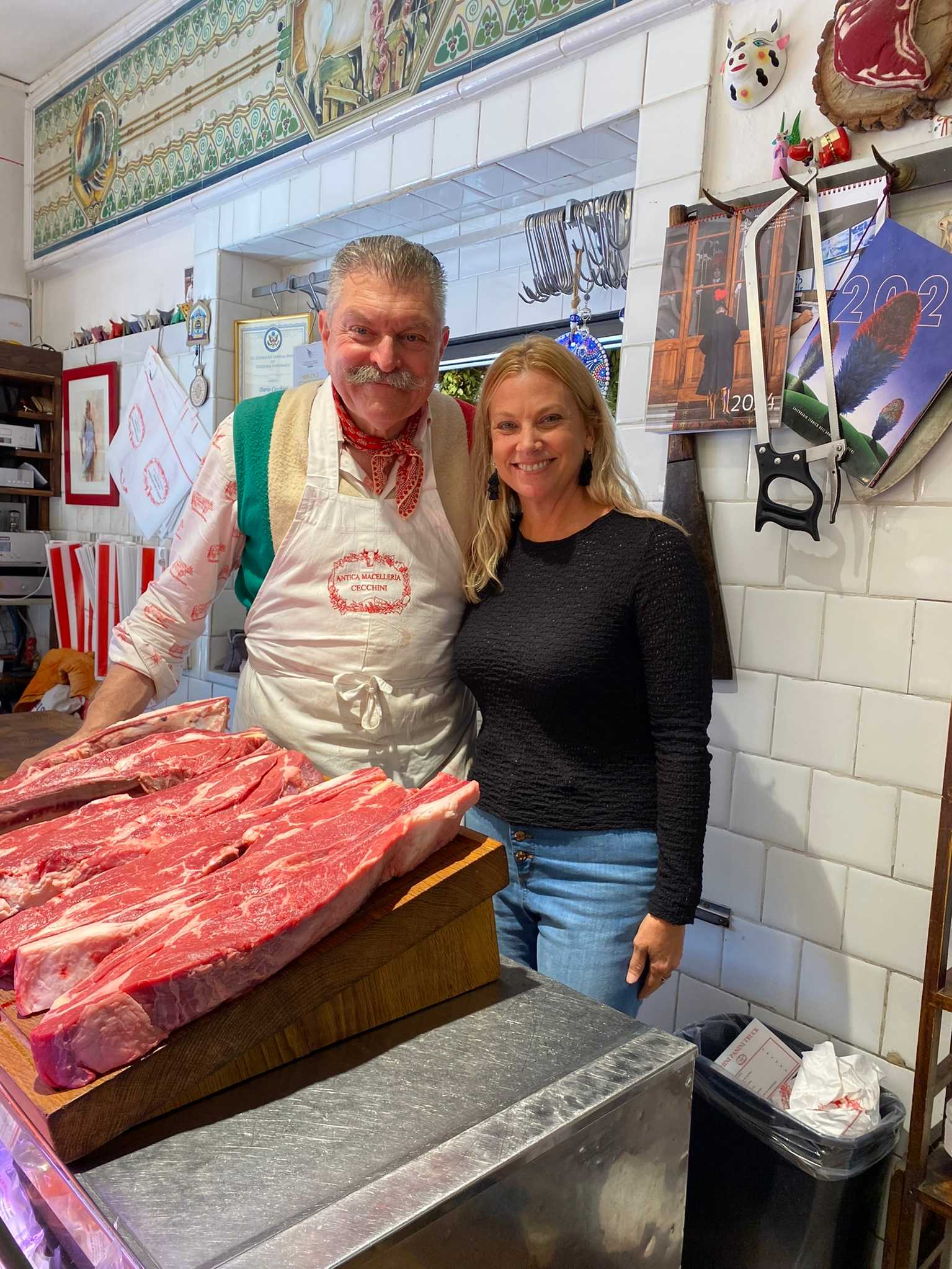
While several agricultural techniques have historically prioritized return over environmental balance, a growing acknowledgment of biodiversity's value has arised among customers and farmers alike. Biodiversity enhances ecosystem durability, supporting dirt wellness, parasite control, and pollination. By incorporating diverse crops and livestock, farmers can develop more stable ecological communities that minimize reliance on chemical inputs and boost total efficiency. Lasting agriculture methods that advertise biodiversity not only secure natural environments yet also add to the long-term viability of farming. Meat markets play a vital duty in this standard change by promoting for local products that prioritize ecological wellness. By selecting to source from ranches that accept biodiversity, customers can sustain techniques that assure a lasting future for agriculture and the atmosphere.
Seasonal and Local Sourcing
Seasonal and local sourcing not only enhances the freshness of food yet also supports sustainable agriculture techniques that profit both farmers and consumers. By prioritizing regional meat markets, consumers can connect directly with farmers, promoting a sense of neighborhood and count on. This design lowers the carbon footprint connected with long-distance transportation, advertising ecological sustainability. Farmers gain from more secure incomes and a trustworthy market for their products, which encourages liable farming practices. Additionally, seasonal sourcing encourages varied farming techniques, allowing farmers to rotate plants and animals, thereby maintaining dirt health and wellness and biodiversity. Generally, this method develops a much more resistant food system that aligns with the values of sustainability, quality, and neighborhood assistance, reinforcing the necessary link between customers and neighborhood farming systems.
The Duty of Openness in Sourcing Meat
What aspects add to consumer trust fund in meat products? Transparency in sourcing is a vital element. Consumers significantly inquire about where their meat comes from, including the ranches and methods associated with elevating the pets. Meat markets that prioritize openness often present clear labeling, describing the source and manufacturing Go Here approaches made use of. This openness fosters confidence and allows consumers to make informed selections.
Additionally, transparent methods can consist of ranch check outs, partnerships with local farmers, and sharing stories concerning the animals and their atmospheres. As consumers end up being a lot more educated regarding food sourcing, they often tend to prefer meat items from distributors who are honest with information. This demand for transparency not only enhances consumer count on however likewise urges meat markets to establish ethical connections with regional farmers. Ultimately, transparency sustains a cycle of responsibility, benefiting both consumers and producers in the meat market.
Sustaining Pet Welfare With Resident Sourcing
Sustaining pet well-being via local sourcing depend upon the fostering of honest farming practices. By focusing on transparency in sourcing, consumers can make enlightened options that mirror their worths. In addition, community involvement campaigns foster a more powerful connection in between consumers and farmers, improving the total commitment to humane treatment of animals.
Moral Farming Practices
While customers progressively prioritize honest factors to consider in their food selections, local sourcing uses a feasible path to supporting animal welfare. Honest farming techniques emphasize gentle therapy of pets, ensuring they have appropriate area, proper nutrition, and accessibility to outside settings. Local ranches typically follow these criteria, as they are a lot more liable to their clients and communities. By choosing to resource meat in your area, customers can sustain ranches that focus on gentle and lasting practices over industrialized methods, which often endanger pet well-being. This connection cultivates a much deeper understanding of food production and motivates accountable consumption. Inevitably, regional sourcing empowers customers to make educated choices that align with their worths relating to moral treatment of animals in the food industry.
Openness in Sourcing
Just how can transparency in sourcing enhance consumer trust in regional meat markets? By supplying clear info concerning the beginnings of their items, local meat markets promote a sense of accountability and stability. When consumers recognize the sourcing techniques, consisting of the treatment of pets and farming approaches, they are most likely to feel confident in their getting decisions. This openness allows customers to align their values with the companies they support, knowing they are adding to ethical animal welfare and sustainable methods. In addition, regional meat markets can display partnerships with neighboring farms, stressing community assistance and enhancing a favorable relationship in between producers and customers. Ultimately, openness in sourcing not just develops trust yet likewise encourages enlightened options amongst customers.
Neighborhood Involvement Efforts
What role do community engagement initiatives play in advertising animal well-being through local sourcing? These campaigns considerably enhance awareness and understanding of ethical farming techniques amongst customers. By promoting links in between neighborhood farmers and neighborhood participants, meat markets can stress the importance of humane treatment of pets. Educational workshops and farm tours allow customers to witness firsthand the problems under which animals are elevated, enhancing the value of local sourcing. In addition, community occasions, such as farm-to-table dinners, highlight the partnership between animal well-being and sustainable techniques. With these engagements, customers establish rely on regional meat markets, urging them to sustain ethical sourcing and promoting a culture of responsible usage that prioritizes animal well-being in the area.
Wellness Advantages of Finding Local Meat Products
Choosing neighborhood meat items provides many health and wellness benefits that can greatly improve general wellness (farmer's meat market near me). One substantial benefit is the minimized time in between ranch and table, which commonly causes fresher meat with higher nutritional worth. Neighborhood meats tend to be without harmful preservatives and additives commonly located in factory-farmed options, contributing to a cleaner diet regimen
Furthermore, local farmers usually prioritize humane and sustainable methods, resulting in much healthier pets that create better-quality meat. Grass-fed and pasture-raised pets, often found in neighborhood markets, normally have greater levels of omega-3 fats and reduced degrees of hydrogenated fats compared to their barnyard equivalents.
In addition, sustaining neighborhood meat items promotes area wellness by ensuring that consumers have accessibility to secure and properly sourced food. By picking regional, people not only view it now nurture themselves yet likewise add to the health of their neighborhood and environment.
Making Enlightened Selections at the Meat Market
When traversing a meat market, comprehending the essential variables that influence quality and sourcing can equip customers to make educated choices. Buyers must focus on regional items, which often come from farms with lasting practices. Identifying labels such as "grass-fed" or "natural" can also lead choices, as these commonly show greater welfare criteria and dietary advantages.
Engaging with the butcher is necessary; well-informed personnel can provide insights into the sourcing of their meats and recommend cuts that fit numerous cooking techniques. Consumers are urged to ask concerning the farm's methods, consisting of animal therapy and feed.
Additionally, checking out the meat's color and structure can expose quality and top quality. Lean cuts need to appear wet and bright, while fatty cuts must have a marbled look. By combining these practices, consumers can confidently pick meats that line up with their values and support neighborhood agriculture.
Regularly Asked Inquiries
What Sorts of Meat Are Many Commonly Sold at Neighborhood Meat Markets?
Local meat markets commonly provide a variety of meats, including beef, pork, poultry, and lamb. These facilities often feature specialized cuts, sausages, and locally sourced products, dealing with diverse cooking choices and customer demands.
How Can I Find a Meat Market Near My Location?
To discover a meat market close by, one can utilize on the internet maps, search engines, or local directories - meat stores near me. In addition, asking next-door neighbors or buddies for referrals usually produces useful insights into the most effective neighborhood options readily available
Are There Seasonal Variations in Meat Availability at Meat Markets?
Seasonal variations in meat availability at meat markets commonly take place, influenced by variables such as regional farming methods, pet reproduction cycles, and seasonal need. This can impact the types and quantities of meat offered throughout the year.
Do Meat Markets Offer Unique Promos or Discount Rates for Mass Purchases?
Meat markets typically give unique promos and discount rates article source for bulk acquisitions. This technique urges customers to get larger amounts while making it possible for the marketplaces to manage inventory effectively, benefiting both consumers and the organization economically.
Can I Request Particular Cuts of Meat at the Market?
Yes, consumers can frequently request specific cuts of meat at the market. Numerous butchers want to fit special orders, making sure that customers get the precise cuts they prefer, customized to their choices.
By sourcing products from close-by farms, these markets guarantee that consumers receive fresh, top notch meat while supporting neighborhood farming. By focusing on neighborhood meat markets, consumers can attach straight with farmers, cultivating a sense of neighborhood and trust fund. How can transparency in sourcing enhance customer trust in local meat markets? Regional meat markets usually offer a variety of meats, including beef, pork, lamb, and poultry. Seasonal variants in meat availability at meat markets usually happen, influenced by factors such as regional farming methods, animal reproduction cycles, and seasonal demand.